Agricultural engine maintenance: Protecting the system, not just the component
Modern tractor engines are complex systems. Lubrication, fuel supply, and turbocharging operate in constant balance.
Engine failure rarely comes from a single component. It’s often the result of maintenance that is not aligned with real operating conditions.
For this reason, effective maintenance goes beyond periodic oil replacement and directly involves fuel filtration, the injection system, and the turbocharger.
1. Lubrication: Thermal stability and protection of tolerances
The quality of the lubrication circuit directly affects the service life of bearings, the crankshaft, camshaft, pistons and piston rings, and the turbocharger.
In agricultural applications, high operating temperatures and variable load cycles accelerate oil oxidation and viscosity loss.
Inefficient filtration or excessively extended service intervals can lead to abrasive wear, micro-seizures, and carbon deposits.
This means that, when planning for maintenance, how long the engine has been working isn’t the only consideration. Keep in mind also environmental conditions and workload intensity.
Technical tips:
It’s a good idea to change the engine oil while it is still warm, as warm oil drains more easily and helps remove any contaminants more effectively.
At every engine oil change, always replace the oil filter and lightly lubricate the gasket before installation to ensure proper sealing and prevent leaks. Doing this will also:
- Reduce friction during installation.
- Allow the gasket to seat properly against the mounting surface.
- Prevent twisting or deformation of the rubber seal.
2. Fuel filters: The first protection of the injection system
In modern agricultural engines, the injection system works at extremely high pressures. Even minimal fuel contamination can compromise the high-pressure pump, injectors and pressure regulators.
Dust, water, and solid particles are among the main causes of premature wear and malfunctions.
A good fuel filter needs to separate water effectively, filter out particles accurately and hold up under pressure.
Regularly replacing the fuel filter is not just preventive maintenance – it directly protects the entire injection system.
3. Injection system: Precision and long-term reliability
The injection system determines combustion efficiency, fuel consumption, emissions, and overall engine performance.
Symptoms such as difficult starting, rough idling, power loss under load, or abnormal exhaust smoke may all be linked to wear or contamination within the fuel circuit.
The increasing presence of biodiesel blends in diesel fuel has significantly changed operating conditions within the fuel system.
Biodiesel has different chemical characteristics compared to traditional diesel, including higher hygroscopicity (a tendency to absorb moisture from the air), different oxidation stability, and potential deposit formation over time.
These factors can reduce fuel stability during storage, raise the risk of water contamination, encourage deposit formation, and increase the sensitivity of the high-pressure pump and injectors.
In high-pressure common rail systems, efficient fuel filtration and regular maintenance are therefore even more critical to ensure injection accuracy, combustion efficiency, and system durability.
Proper maintenance includes:
- Periodic filtration checks.
- Inspection for possible leaks.
- Preventive diagnostics before peak seasonal periods.
Technical tips:
Before replacing the filter, thoroughly clean the surrounding area, keep the new filter sealed until the moment of installation, and take care not to let dirt or dust enter the fuel circuit. In high-pressure systems, even minimal contamination can cause significant damage.
Pay attention to priming
Depending on the system:
- If specified by the manufacturer, pre-fill the filter with clean fuel before installation.
- Use only clean, properly filtered fuel.
- Avoid introducing air into the circuit.
The presence of air can lead to starting difficulties or increased stress on the high-pressure pump.
Overall, remember that protecting the injection system means protecting the heart of combustion.

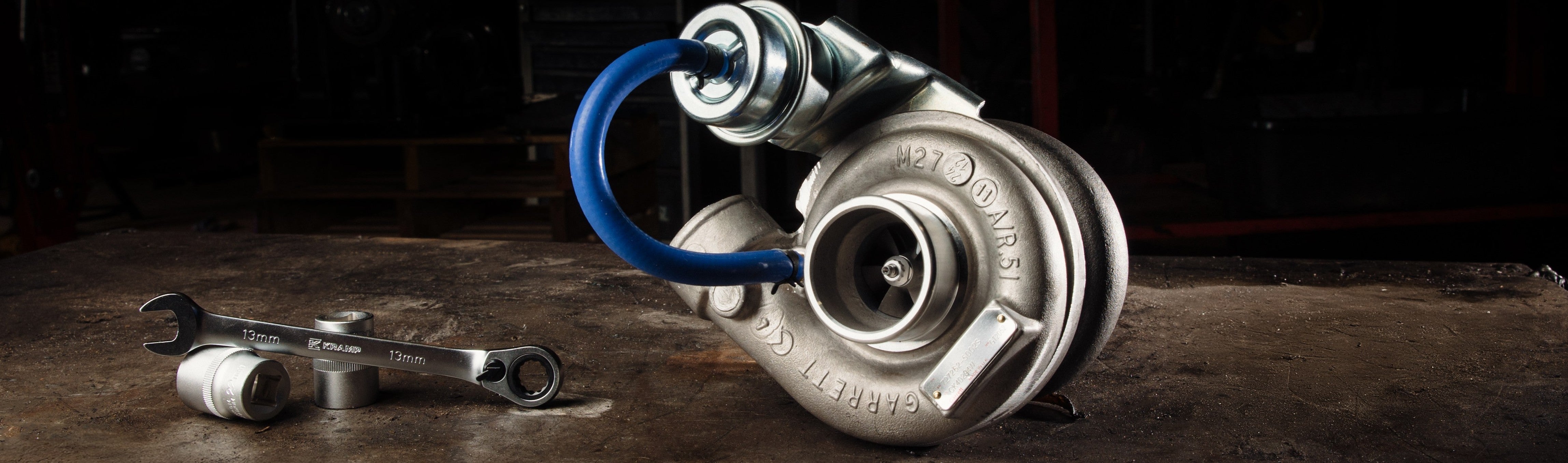
4. The role of the turbocharger: Performance and an often underestimated risk
In agricultural engines, the turbocharger enables higher power and torque, especially under load. However, it also takes more punishment than almost any other part.
This is because it operates at very high rotational speeds, extreme temperatures, and under continuous lubrication demands.
The main causes of turbo failure are rarely structural, but rather related to:
- Insufficient or contaminated lubrication.
- Delayed oil changes.
- Abrupt engine shutdown at high temperature without a proper cooling phase.
- Dust or debris entering from the intake system.
A damaged turbocharger doesn’t just reduce performance, it can also cause secondary engine damage.
That means keeping a close eye on the condition and quality of the filters, ensuring nothing unwanted is getting into the intake.
Even small amounts of contamination can speed up internal wear and, over time, compromise engine performance and efficiency.
5. Maintaining the whole system
Lubrication, fuel filtration, injection, and turbocharging are closely interconnected.
- An inefficient air filter can damage the turbocharger.
- An inadequate fuel filter can compromise injectors.
- Degraded oil can shorten the turbocharger’s lifespan.
Professional engine maintenance, therefore, requires a technical understanding of the complete system, careful component selection, planned interventions before peak workload periods, and close attention to early warning signs.
Stage V engines: Higher precision, reduced tolerances, more critical maintenance
Engines built to Stage V specifications are designed to meet stringent emission standards. This means its systems are more sophisticated and must achieve tighter tolerances compared to previous generations.
Stage V engines typically feature high-pressure common rail injection, Exhaust Gas Recirculation (EGR), a Diesel Particulate Filter (DPF), and a Selective Catalytic Reduction (SCR) system using AdBlue. Each of these works closely together, to the extent that poor maintenance can trigger chain reactions.
Here’s how each component can be affected.
1. Common rail injection: Sensitivity to contamination
In Stage V common rail systems, operating pressures can exceed 2,000 bar. Under these conditions, even minimal contamination can cause premature wear of the high-pressure pump, injector damage, an altered injection pattern, and increased emissions with more frequent DPF regenerations. Fuel filtration quality is therefore even more critical than in traditional engines.
2. DPF: Maintenance that affects regeneration
The Diesel Particulate Filter (DPF) captures solid particles generated during combustion. If the engine does not operate under optimal conditions – due to inefficient injection, irregular combustion or degraded oil – the DPF may clog more quickly, require frequent regenerations, cause power loss, and result in costly downtime for forced regeneration. Proper engine maintenance directly reduces stress on the after-treatment system.
3. EGR and combustion quality
The EGR system reintroduces part of the exhaust gases into the intake to reduce nitrogen oxides (NOx). Inefficient combustion or the presence of residues and contaminants can lead to carbon deposits, reduced recirculation efficiency, and irregular engine operation. Air filtration, fuel quality, and lubrication all directly influence the durability of this system.
4. Turbocharger in Stage V engines
In Stage V engines, the turbocharger operates with the help of increasingly precise electronic management systems. An inefficient turbo can alter boost pressure, compromise combustion, increase emissions, and disrupt proper DPF operation. Protecting the turbo through clean, high-quality oil, effective air filtration, and the absence of contamination is even more critical in modern engines.
Putting it all together
For today’s new tractor engines, maintenance is no longer just mechanical. It’s a balance between mechanical components, high-precision fuel systems, electronic management, and emission after-treatment systems.
Doing minimal or surface-level maintenance can quickly trigger active engine warning lights, protection modes (derating), or seasonal downtime. Understanding how these systems work closely together allows targeted interventions and the prevention of complex failures.
Looking for filters, gaskets, oil, and other maintenance essentials for agricultural engines? Kramp stocks thousands of original and aftermarket parts. Search by part number or make/model and get what you need delivered quickly.