Agricultural engine maintenance: Protecting the system, not just the component
Modern tractor engines are intricate systems. Lubrication, fuel supply, and turbocharging work in constant harmony.
Engine failures rarely result from a single component. They're usually due to maintenance not suited for actual working conditions.
Therefore, proper maintenance extends beyond periodic oil changes and encompasses fuel filtration, the injection system, and the turbocharger.
1. Lubrication: Thermal stability and tolerance protection
The lubrication circuit's quality directly affects the lifespan of bearings, the crankshaft, camshaft, pistons, and turbocharger.
In agricultural settings, high temperatures and changing load cycles accelerate oil oxidation and viscosity drop.
Inefficient filtration or prolonged service intervals can lead to abrasive wear, micro-seizures, and carbon build-up.
Thus, when scheduling maintenance, consider the engine's working time along with environmental conditions and workload intensity.
Technical tips:
It's wise to change engine oil while it’s warm, as it drains easier and removes contaminants more effectively.
With every oil change, also replace the oil filter and lightly lubricate the gasket before fitting to ensure proper sealing and prevent leaks. Doing this will also:
- Reduce friction during installation.
- Ensure the gasket seats properly against the surface.
- Avoid twisting or deformation of the rubber seal.
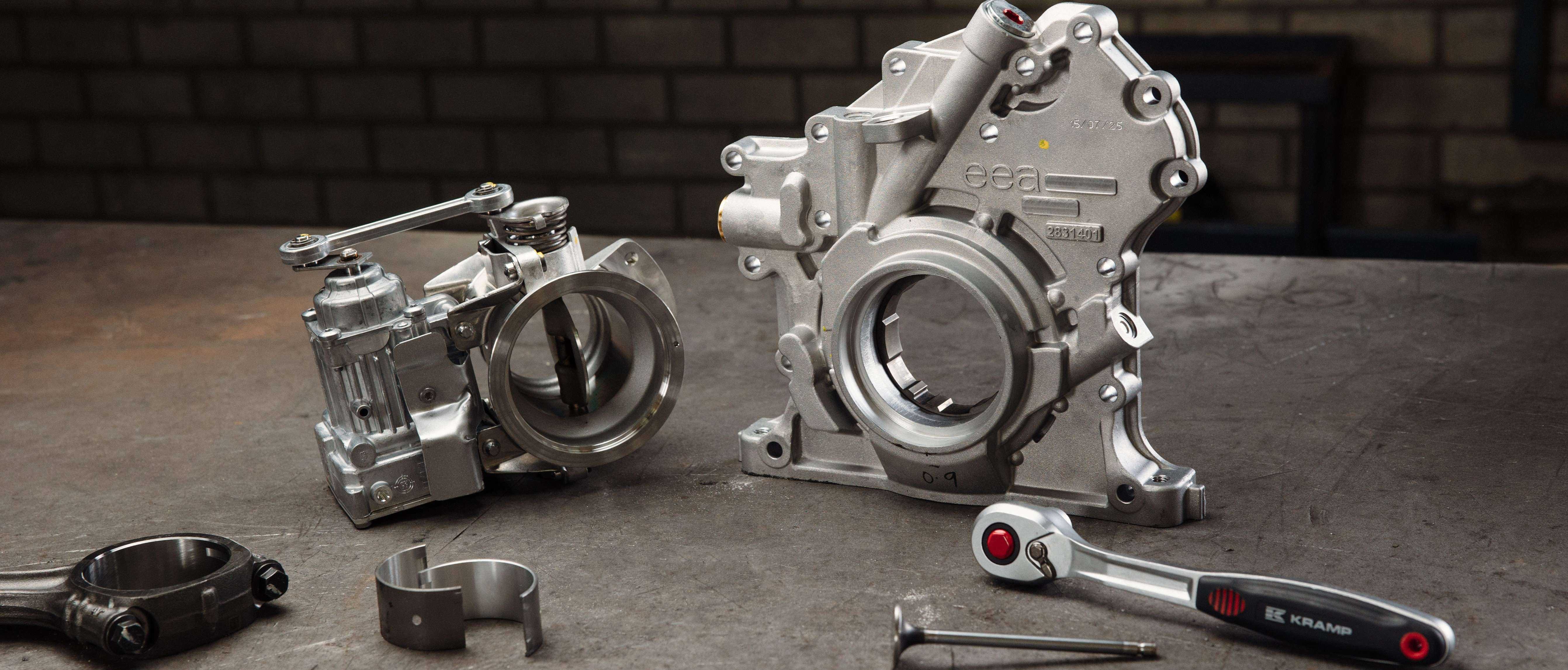
2. Fuel filters: The frontline of injection system protection
In modern farm engines, the injection system operates under very high pressure. Even slight fuel contamination can affect the high-pressure pump, injectors, and regulators.
Dust, water, and particles are main causes of wear and faults.
An effective fuel filter must efficiently separate water, filter particles precisely, and tolerate pressure.
Regular fuel filter replacements are not merely preventive; they protect the whole injection system.
3. Injection system: Precision and enduring reliability
The injection system impacts combustion efficiency, fuel use, emissions, and overall engine performance.
Issues like starting trouble, rough idling, power loss under load, or unusual exhaust smoke might hint at fuel circuit wear or contamination.
More biodiesel blends in fuel have significantly altered the fuel system's working conditions.
Biodiesel has distinct chemical properties compared to standard diesel, like higher moisture absorption, different stability, and potential deposits over time.
These factors can lower fuel stability in storage, raise water contamination risks, promote deposit formation, and heighten high-pressure pump and injector sensitivity.
In high-pressure systems, efficient fuel filtration and regular maintenance are crucial for injection precision, combustion, and system lifespan.
Proper upkeep includes:
- Periodic filter inspections.
- Checking for leaks.
- Preventive diagnostics before busy seasons.
Technical tips:
Prior to replacing the filter, clean the surrounding area thoroughly, keep the new filter sealed until installation, and prevent dirt from entering the fuel circuit. In high-pressure systems, even minimal contamination can be damaging.
Acknowledge priming
Depending on the setup:
- Pre-fill the filter with clean fuel before installing if specified by the maker.
- Use only clean, well-filtered fuel.
- Avoid air entry to the circuit.
Air can cause starting problems or stress the high-pressure pump.
Remember, safeguarding the injection system is like protecting the combustion core.

4. Turbocharger: Performance and often underestimated risks
In agricultural engines, the turbocharger boosts power and torque, especially under load. Yet, it often takes the most stress.
Due to its high speeds, extreme temperatures, and lubrication needs.
Turbo failures mainly arise from:
- Inadequate or dirty lubrication.
- Overdue oil changes.
- Quick shutdowns at high temperatures without cooling.
- Debris entering from the intake.
A failing turbo not only reduces performance but may also cause other engine damages.
Monitor filter condition and quality to prevent unwanted intake contaminants.
Even slight contamination can hasten internal wear, thus compromising engine output over time.
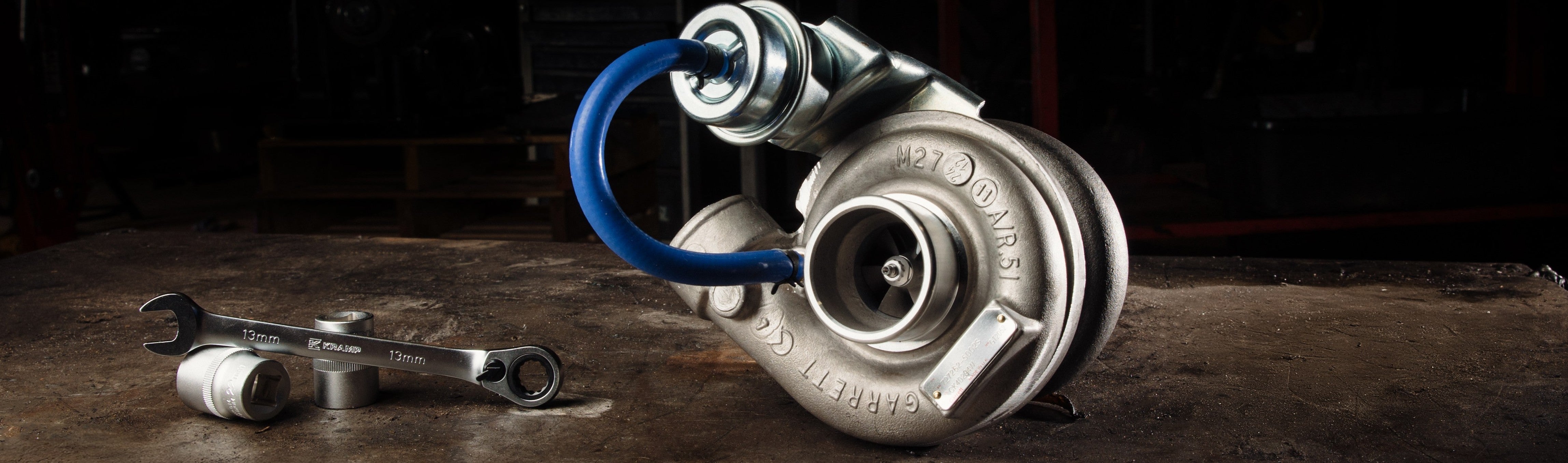
5. Maintaining the complete system
Lubrication, filtration, injection, and turbocharging are tightly interwoven.
- Poor air filters may ruin the turbocharger.
- Inadequate fuel filters can harm injectors.
- Degraded oil can cut turbocharger life.
Engine maintenance requires understanding the full system, choosing components wisely, planning ahead of busy periods, and watching for early warnings.
Stage V engines: Higher precision, reduced tolerances, more critical maintenance
Stage V engines are made to meet strict emission standards. This means tighter tolerances and more advanced systems than previous models.
These engines typically include high-pressure injection, Exhaust Gas Recirculation (EGR), Diesel Particulate Filters (DPF), and Selective Catalytic Reduction (SCR) with AdBlue. Each depends on the others tightly, meaning poor maintenance could trigger chain actions.
Here’s how each can be impacted.
1. Common rail injection: Contamination sensitivity
In Stage V systems, pressures exceed 2,000 bar. Minimal contamination can cause pump and injector wear, shift injection patterns, raise emissions, and frequent DPF regeneration. Quality fuel filtration matters more than in older engines.
2. DPF: Maintenance affecting regeneration
The DPF captures combustion particles. Poor conditions—inefficient injection, bad combustion, degraded oil—can clog the DPF faster, need frequent regenerations, lead to power drops, and cause costly forced regenerations. Good maintenance eases after-treatment system stress.
3. EGR and combustion quality
The EGR recycles exhaust gases to cut nitrogen oxides. Poor combustion or contaminants cause deposits, reduced efficiency, and irregular operation. Air filtration, fuel quality, and lubrication affect this system’s durability.
4. Turbocharger in Stage V engines
Turbochargers in Stage V use precise electronic control. Inefficiency can shift boost pressure, affect combustion, raise emissions, and interrupt DPF functions. Protection through clean oil, good air filtering, and contamination control is crucial.
Putting it all together
Today's tractor engines need more than mechanical maintenance. It's about balancing mechanical parts, fuel systems, electronic control, and emission systems.
Minimal maintenance can trigger warnings, protective modes, or busy season downtime. Understanding system interdependencies helps prevent failures.
Need filters, gaskets, oils, or maintenance parts for farm engines? Kramp offers a vast range of original and aftermarket parts. Search by part number or make/model for quick delivery.