Agricultural engine maintenance: Protect the system, not just the component
Modern tractor engines are complex systems. Lubrication, fuel supply, and turbocharging need constant balance.
Engine failure rarely comes from one component. It’s often due to maintenance not matching real conditions.
That’s why effective maintenance goes beyond oil changes. It involves fuel filtration, the injection system, and the turbocharger.
1. Lubrication: Thermal stability and tolerance protection
The lubrication circuit affects the life of bearings, the crankshaft, camshaft, pistons, piston rings, and the turbocharger directly.
In agriculture, high temperatures and variable load speeds up oil oxidation and viscosity loss.
Inefficient filtration or long service intervals can cause wear, micro-seizures, and carbon deposits.
When planning maintenance, consider more than engine hours. Think about environmental conditions and workload intensity too.
Technical tips:
Change engine oil while warm; it drains easier and removes contaminants better.
Always replace the oil filter at every oil change. Lightly lubricate the gasket before installation to seal properly and prevent leaks. This will also:
- Reduce friction during installation.
- Ensure the gasket settles correctly against the surface.
- Prevent twisting or deforming the rubber seal.
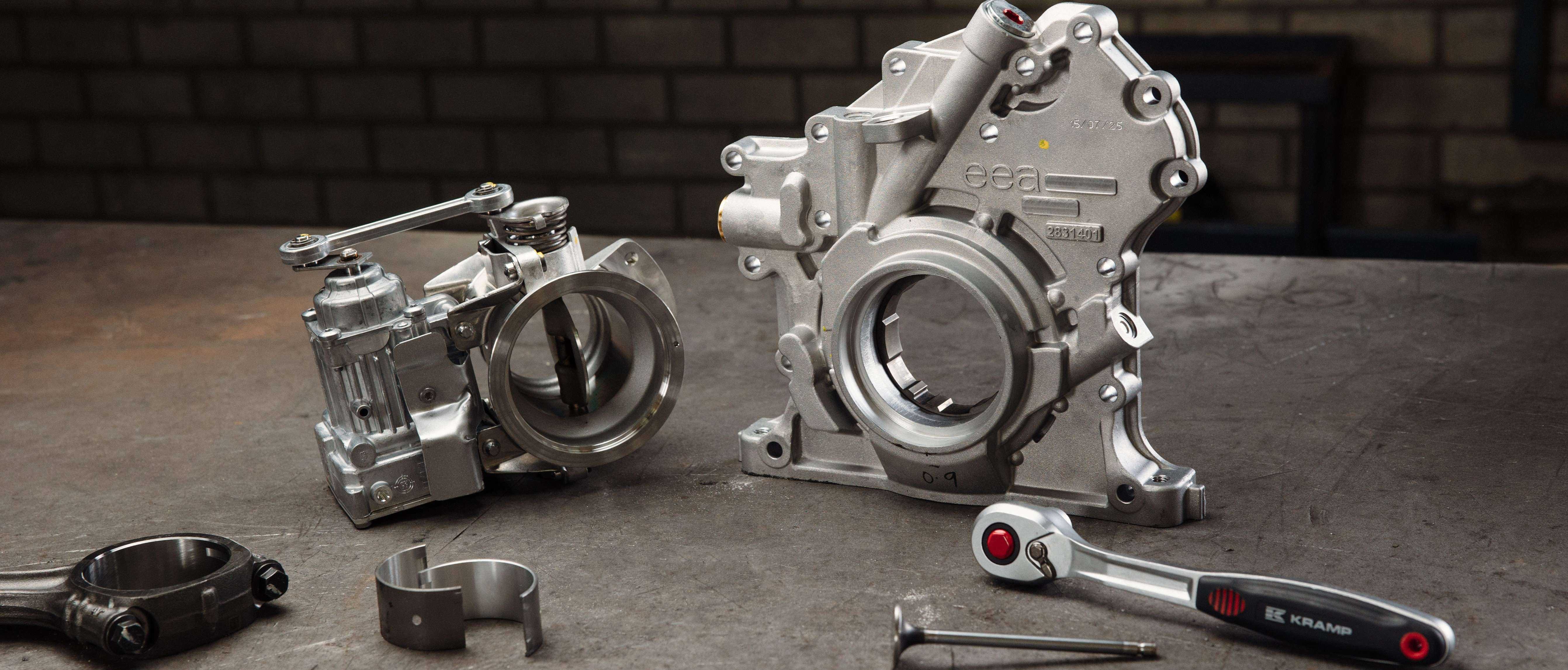
2. Fuel filters: First line of injection protection
In modern agricultural engines, the injection system runs at high pressures. Even slight fuel contamination can harm the high-pressure pump, injectors, and pressure regulators.
Dust, water, and solids cause premature wear and issues.
A good fuel filter must separate water efficiently, filter particles accurately, and withstand pressure.
Regularly replacing the fuel filter is not only preventive maintenance – it protects the injection system directly.
3. Injection system: Precision and long-term reliability
The injection system controls combustion efficiency, fuel use, emissions, and overall engine performance.
Issues like hard starting, rough idling, power loss under load, or odd exhaust smoke may be due to wear or contamination in the fuel circuit.
Biodiesel blends in diesel have changed operating conditions in the fuel system.
Biodiesel has different chemical traits than diesel. It absorbs moisture more (hygroscopic), has different oxidation stability, and can form deposits over time.
These factors can reduce fuel stability in storage, increase water contamination risk, encourage deposits, and increase the sensitivity of the high-pressure pump and injectors.
In high-pressure common rail systems, effective fuel filtration and regular maintenance are even more crucial for injection accuracy, combustion efficiency, and system durability.
Proper maintenance includes:
- Filtration checks.
- Leak inspections.
- Preventive diagnostics before peak seasons.
Technical tips:
Before changing the filter, clean the area thoroughly, keep the new filter sealed until installation, and avoid letting dirt or dust enter the fuel circuit. In high-pressure systems, even slight contamination can cause major damage.
Priming care:
Based on the system:
- If the manufacturer specifies, pre-fill the filter with clean fuel before installation.
- Use only clean, well-filtered fuel.
- Avoid introducing air into the circuit.
Air can cause starting troubles or stress to the high-pressure pump.
Overall, remember that protecting the injection system means safeguarding the heart of combustion.

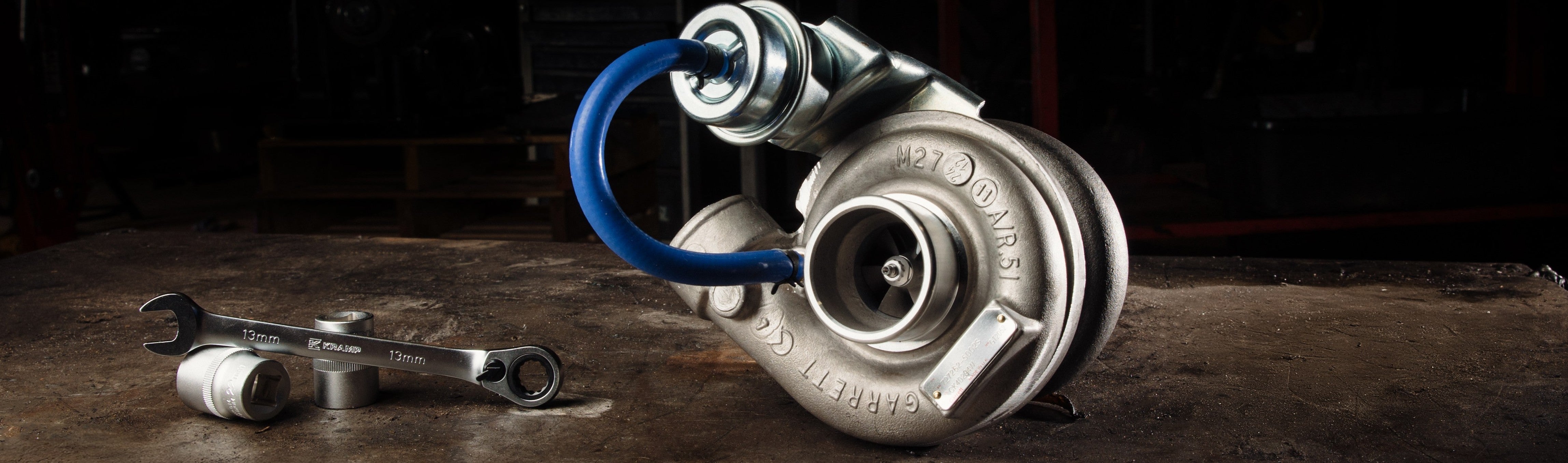
4. Turbocharger role: Performance and risk control
In agricultural engines, the turbocharger boosts power and torque, especially under load. It withstands more stress than most parts.
This is because it runs at high speeds, extreme temperatures, and continuous lubrication demands.
Main turbo failure causes are rarely structural, but tied to:
- Poor or contaminated lubrication.
- Delayed oil changes.
- Sudden engine shutdown at high temperatures without cooling.
- Dust or debris entering from the intake system.
A damaged turbocharger doesn’t just reduce performance; it can cause secondary engine damage.
Monitor filter condition and quality closely to avoid unwanted intake.
Slight contamination can speed internal wear and, over time, harm engine performance and efficiency.
5. Maintaining the whole system
Lubrication, fuel filtration, injection, and turbocharging are interconnected.
- A poor air filter can harm the turbocharger.
- A bad fuel filter can affect injectors.
- Degraded oil can reduce the turbocharger's lifespan.
Professional engine maintenance requires understanding the complete system, careful component choice, planning before peak workloads, and attention to early signs.
Stage V engines: Higher precision, tighter tolerances, more critical maintenance
Stage V engines meet strict emission standards. This means more complex systems with tighter tolerances than before.
These engines usually have high-pressure common rail injection, Exhaust Gas Recirculation (EGR), a Diesel Particulate Filter (DPF), and a Selective Catalytic Reduction (SCR) system using AdBlue. Poor maintenance can cause chain reactions.
Here’s how each component is affected.
1. Common rail injection: Sensitivity to contamination
Stage V common rail systems operate above 2,000 bar. Under these conditions, slight contamination can wear out the high-pressure pump, damage injectors, alter injection, and increase emissions with more frequent DPF regenerations. Fuel filtration quality is even more critical than in traditional engines.
2. DPF: Maintenance impacts regeneration
The Diesel Particulate Filter (DPF) traps particles from combustion. If the engine doesn’t run optimally – due to inefficient injection, variable combustion, or degraded oil – the DPF may clog faster, require frequent regenerations, cause power loss, and lead to costly forced regeneration downtime. Proper engine maintenance reduces stress on the after-treatment system.
3. EGR and combustion quality
The EGR system reintroduces some exhaust gases to lower nitrogen oxides (NOx). Poor combustion or residues and contaminants can cause carbon deposits, lower recirculation efficiency, and irregular engine operation. Air filtration, fuel quality, and lubrication impact this system’s durability.
4. Turbocharger in Stage V engines
Stage V turbochargers operate with precise electronic management. An inefficient turbo can alter boost pressure, harm combustion, increase emissions, and disrupt DPF operation. Protect the turbo with clean, quality oil, efficient air filtration, and absence of contamination –this is crucial in modern engines.
Bringing it all together
For new tractor engines, maintenance isn’t just mechanical. It balances mechanical components, precision fuel systems, electronic management, and emission treatments.
Minimal maintenance can trigger engine warning lights, protection modes (derating), or seasonal downtime quickly. Understanding these systems’ relationships allows targeted interventions and complex failure prevention.
Need filters, gaskets, oil, and other maintenance essentials for agricultural engines? Kramp offers thousands of original and aftermarket parts. Search by part number or make/model and get fast delivery.